Floral Number Two: A Thoughtful Embroidery Choice for Meaningful Gifts
As an embroidery designer who’s developed over 300 custom monograms for wedding shops, baby boutiques, and Etsy sellers, I tested Floral Number Two with one question in mind: “Will this design help my customers tell a story—not just add decoration?” The answer? A warm, confident yes—when used intentionally.
First Impressions: Romantic, Refined, and Quietly Joyful
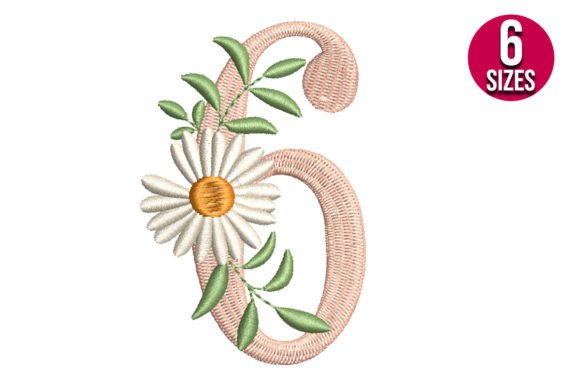
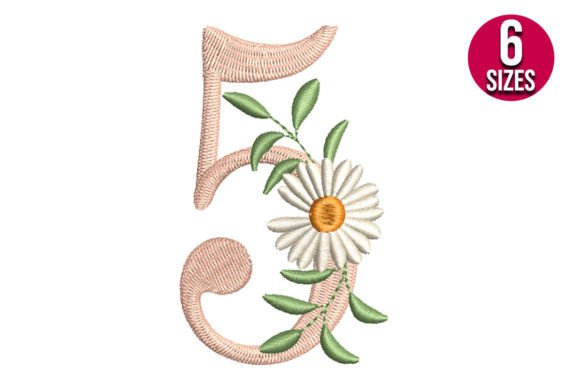
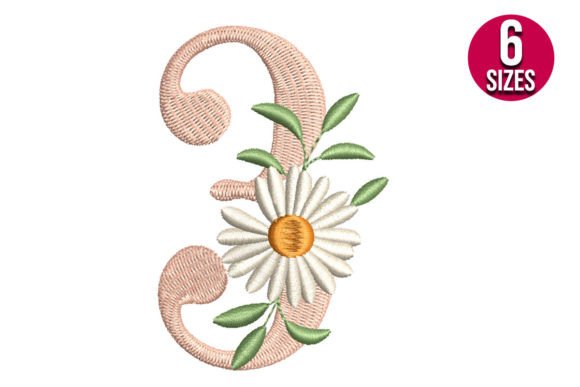
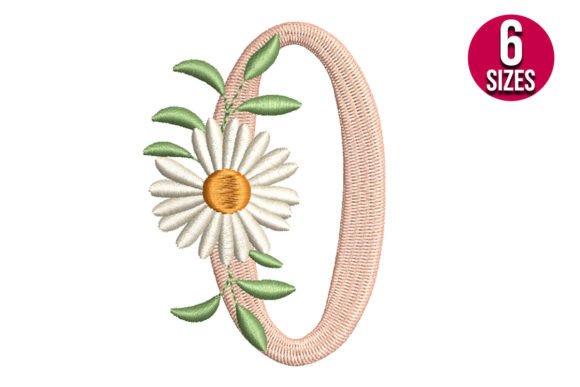
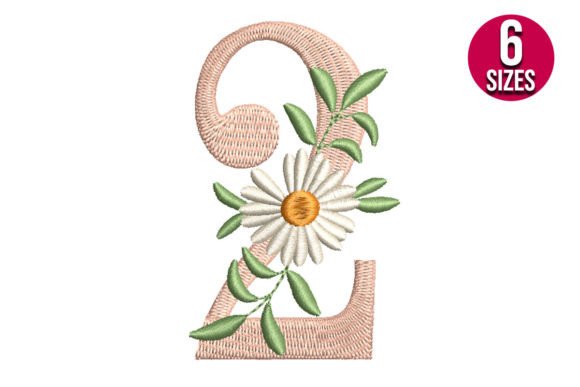
Opening the Floral Number Two embroidery file feels like unboxing a hand-painted note—delicate but deliberate. It’s not fussy or overly ornate; instead, it balances soft botanical curves (think trailing ivy and petite blossoms) with clean, legible number structure. The mood is romantic and timeless—more heirloom than trend-driven. It leans classic with modern restraint: no glitter effects, no cartoonish stems, no forced symmetry. That balance makes it equally at home on a linen wedding keepsake as it does on a cotton baby blanket.
What stood out immediately was its emotional resonance. Unlike generic number fonts, Floral Number Two invites pause. Customers don’t just see “2”—they see “our second year,” “baby number two,” “two hearts,” or “forever, twice over.” That subtle storytelling power is gold for personalized gift creators.
Where This Design Truly Shines
Floral Number Two isn’t a one-surface wonder—it’s versatile by thoughtful design. Here’s where it elevates real products:
- Baby embroidery: Perfect for nursery pillows, organic cotton swaddle blankets, and milestone onesies (when placed on stable, non-stretch panels). Its gentle scale reads beautifully at 3–4 inches wide.
- Wedding gift: As a Wedding Monogram, it pairs elegantly with couple initials or a date—stitched onto linen napkins, ceramic coaster sets, or velvet pillow covers for the bridal suite.
- Personalized towel & kitchen goods: Works exceptionally well on medium-weight terry or waffle weave—just avoid stitching directly over thick towel loops. Ideal for embroidered towel sets sold at craft fairs or boutique hotels.
- Nursery decor & keepsakes: Stitched onto muslin wall hangings, wooden growth charts, or framed hoop art, it adds handmade warmth without overwhelming the space.
- Tote bags, aprons & pillow covers: Holds up beautifully on structured cotton canvas or linen-blend fabrics. The floral elements soften utilitarian items—turning everyday objects into intentional gifts.
Where to Use Extra Care
Like any quality machine embroidery design, Floral Number Two rewards thoughtful application—and reveals its limits honestly:
- Delicate details on textured fabric: Avoid heavy bouclé, thick terry, or highly napped fleece. Fine stems and small flower centers may blur or sink into the pile.
- Stretchy baby clothes: Not ideal for full-coverage bodysuits or knit rompers unless stabilized with cutaway + topping and stitched on flat, seam-free sections.
- Curved surfaces: Skip curved ceramic mugs or rounded cosmetic bags—this design assumes a flat, stable embroidery field.
- Dark fabric + light thread: Test contrast rigorously. Some pale ivory or blush thread colors may fade visually on deep navy or charcoal—especially in small floral accents.
- Frequent-wash items: While stitch density appears moderate (no dense satin fills), always reinforce with quality stabilizer and recommend gentle cycles for finished products like baby blankets or kitchen towels.
How Floral Number Two Builds Trust—and Sales
This isn’t just about prettiness. Floral Number Two strengthens your brand as a maker because it signals care—not just craft. When customers see consistent, balanced fill stitches, smooth satin outlines, and intentional spacing between florals and numerals, they subconsciously equate that with reliability. That perception lifts perceived value: a $28 embroidered pillow cover feels like a $45 heirloom when Floral Number Two is stitched cleanly.
It also boosts buyer engagement. On Etsy or Instagram, this design photographs beautifully—even in natural light. Its soft contrast and organic flow create compelling printable mockups and video previews. Customers linger longer. They imagine it on *their* nursery shelf, *their* wedding table, *their* child’s first birthday blanket. That emotional connection turns browsers into buyers.
Practical Embroidery Notes You Can’t Skip
Before stitching your first customer order, run these checks:
- Test on scrap fabric—same weight, fiber, and dye lot as your final product.
- Confirm hoop size compatibility. Does it fit your most-used hoops? If not, resize thoughtfully—never stretch the floral proportions.
- Review stitch density visually in your embroidery software. Look for tight clusters that might pucker thin fabrics—or sparse areas that could snag.
- Match stabilizer to fabric: Tear-away for stable wovens, cutaway for knits or towels, and lightweight topping for napped surfaces.
- Compare thread color mockups on both light and dark fabric swatches—especially for subtle tonal blends.
- Inspect small details post-stitch: Are tiny flower centers fully formed? Do stems taper cleanly? If not, adjust tension or needle size.
- Verify commercial licensing before selling finished products. Since this is a digital embroidery file, confirm whether your license permits resale of physical embroidered goods—most reputable designers allow it, but always double-check.
Remember: the best personalized gift isn’t just stitched—it’s considered. Floral Number Two gives you the foundation. Your attention to fabric, stabilizer, thread, and context is what transforms it into something unforgettable.
For Etsy sellers, small shop products, and wedding gift designers, this Embroidery file isn’t just another download—it’s a quiet invitation to slow down, choose meaning over mass, and make something that lasts longer than the occasion.