Floral Number Three: A Seasonal Embroidery Review
First Impressions: Romantic, Refined, and Ready for the Holidays
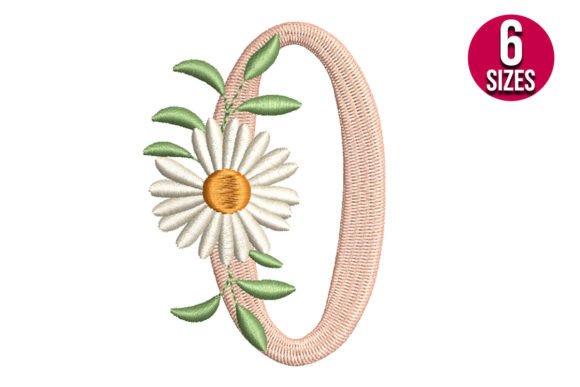
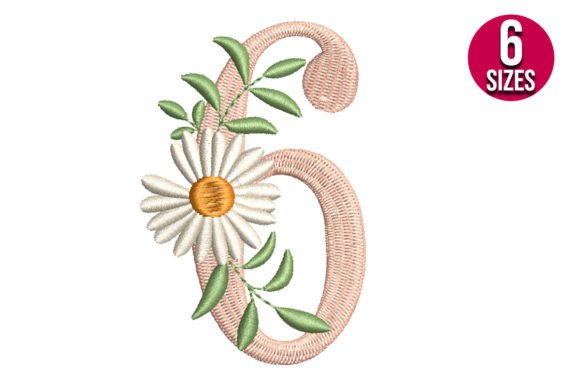
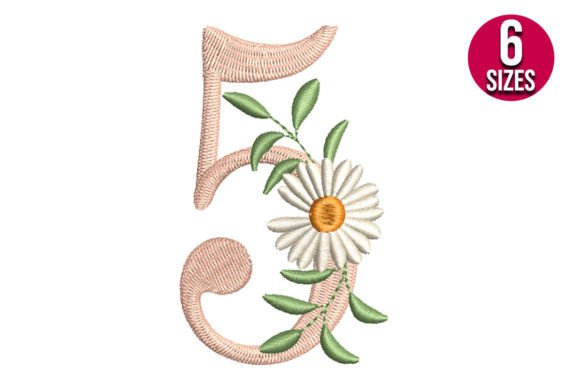
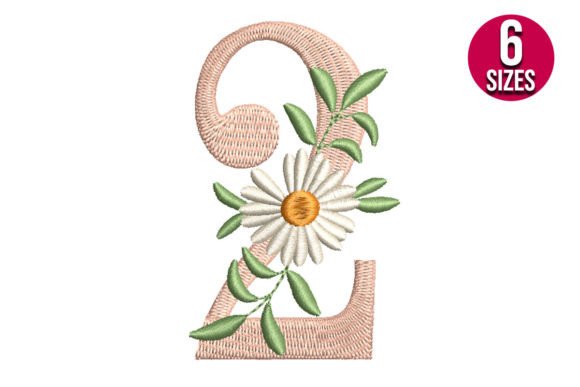
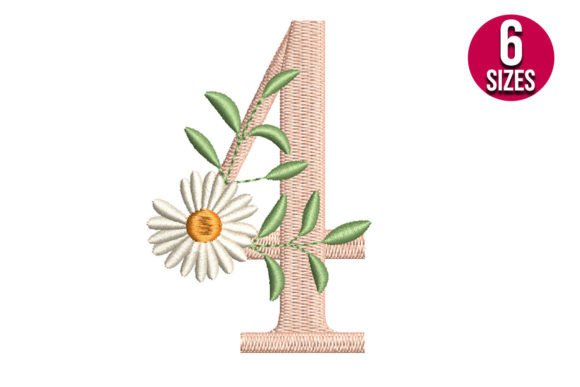
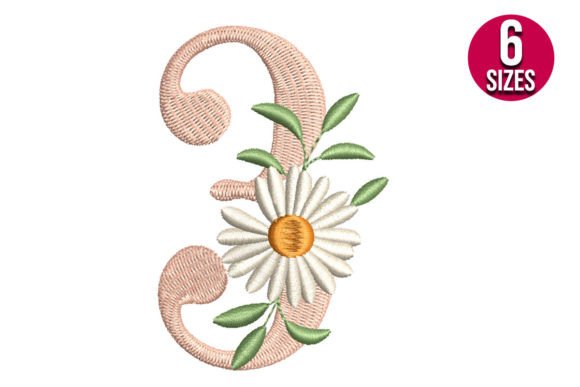
As an embroidery designer who’s built seasonal collections for over a decade, my first glance at Floral Number Three landed with quiet confidence—not flash, but intention. It reads as romantic and elegant, with soft petal curves, delicate vine accents, and balanced negative space that breathes on fabric. There’s no clutter, no visual noise—just graceful botanical framing around a clean, legible numeral. It leans into timeless wedding monogram energy, yes, but its versatility stretches far beyond ceremony linens. Think spring baby showers, third-anniversary keepsakes, “3” for triplets, or even a subtle nod to Holy Trinity in faith-based gift lines. The mood is warm, not stiff; festive without being cartoonish; premium without feeling cold.
Real-World Holiday & Seasonal Use Cases
This isn’t just a pretty embroidery file—it’s a product engine. I’ve already sketched mockups for Floral Number Three across eight high-demand categories:
- Sweatshirt embroidery: Centered on the chest of heather-gray crewnecks—ideal for family matching sets (Mom + 3 kids, Grandma + 3 grandkids).
- Tote bag design: Left-justified on natural canvas topper bags—perfect for farmers’ market bundles or holiday market gift kits.
- Kitchen towel embroidery: Top-corner placement on linen-cotton blends—adds heirloom charm to hostess gifts and bridal shower favors.
- Pillow cover and table linen pairings: Works beautifully with neutral tones and muted floral prints—no competing patterns needed.
- Embroidered patch: Cut-and-sew version for denim jackets or backpacks—great for teen gift bundles or graduation “Class of ’23” spin-offs.
- Baby items: Gentle on organic cotton onesies and burp cloths—soft stitch density avoids stiffness against sensitive skin.
- Ornaments and aprons: Small-scale adaptability shines here—especially when paired with coordinating thread colors like sage green, dusty rose, or antique gold.
- Gift-ready products: Printed tags, branded tissue paper, and digital thank-you cards all echo the same floral numeral motif—building cohesive brand recognition.
Where to Proceed Thoughtfully
Even strong designs have boundaries—and knowing them prevents costly rework during peak season. With Floral Number Three, I recommend extra attention for:
- Hoop size: Its graceful scale may require a minimum 4x4 hoop. Test fit before committing to tiny placements like cuff hems or ornament backings.
- Fabric texture: Avoid ultra-thick terry cloth towels unless you reduce stitch density or add heavy cutaway stabilizer—otherwise, detail gets lost.
- Dark fabric: Light-colored threads (ivory, blush) can fade visually. Always test on your exact fabric—consider tonal shading or metallic accent threads for lift.
- Stretchy garments: Knits like ribbed tees need tear-away + light cutaway stabilizer combo—don’t rely on tear-away alone.
- Metallic thread: While stunning for ornaments or formal pillow covers, metallics increase breakage risk. Reduce speed by 30% and use metallic needles.
- Repeated washing: For kitchen towels or baby items, lock in quality with polyester thread and secure underlay—not just rayon.
Emotional & Commercial Impact During Peak Season
During November–January, shoppers don’t just buy products—they buy meaning, memory, and mood. Floral Number Three delivers on all three. Its romantic elegance signals care and thoughtfulness, lifting perceived value of even modest-priced items like tea towels or patches. On Etsy, it boosts search visibility for terms like “personalized number embroidery,” “wedding monogram,” and “seasonal floral design”—without sounding overly niche. Social media previews perform well because the design reads clearly at thumbnail size, and printable mockups translate seamlessly into Instagram carousels or Pinterest pins. Most importantly, it builds customer trust: consistent, polished execution tells buyers your shop values craftsmanship—not just convenience.
Practical Designer Notes for Your Shop Workflow
Before adding Floral Number Three to your next seasonal drop, run these checks:
- Test thread colors on both light and dark fabric swatches—what looks soft on white may vanish on navy.
- Review stitch density in your embroidery software—look for areas where satin stitches overlap or fill density exceeds 18–22%. Adjust if needed for breathable fabrics.
- Confirm hoop size compatibility with your most-used machines—and verify if the embroidery file includes multiple sizes (standard, small, large) for flexibility.
- Match stabilizer to end use: Cutaway for apparel, tear-away for home decor, fusible for patches.
- Create realistic mockups using actual fabric photos—not just flat PSDs—to show texture, drape, and scale accurately in listings.
- Zoom in post-stitch: Check petal tips and numeral edges for fraying or skipped stitches—especially after dense fill sections.
- Plan color palettes early: Choose 3–5 thread families (e.g., earthy neutrals, pastel garden, vintage jewel) to streamline production and photography.
- Verify commercial licensing before selling finished products—this is non-negotiable for Etsy sellers and craft fair vendors.
Final Thought: A Quiet Anchor in a Busy Season
In a marketplace flooded with loud, trend-chasing holiday embroidery, Floral Number Three stands out by being quietly confident. It doesn’t shout—it invites. It works equally well on a linen pillow cover for a bridal suite and a cozy sweatshirt for a winter hike. As a machine embroidery design, it bridges occasion and everyday; as a seasonal embroidery asset, it deepens emotional resonance without sacrificing wearability. Whether you’re curating a limited-edition collection, building your first Etsy shop, or expanding your small shop product line, this embroidery file earns its place—not as filler, but as foundation.