Elegant Border: A Designer’s Real-World Review
First Impressions: Graceful, Not Fussy
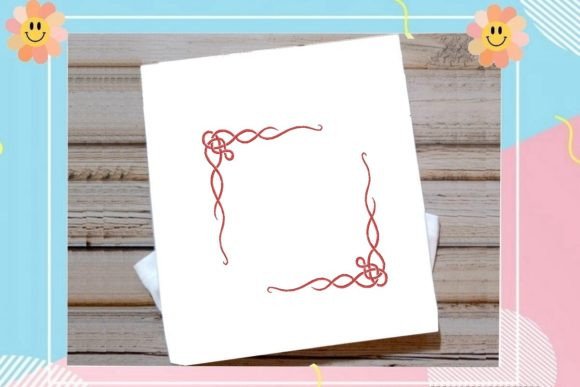
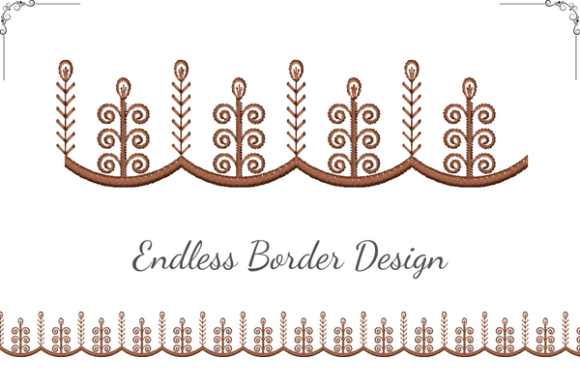
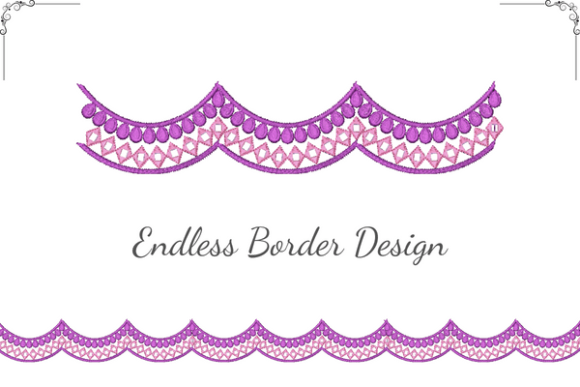
When I opened Elegant Border for the first time, what struck me wasn’t flashiness—it was balance. The design breathes. It’s a true border: clean outer edges, subtle inward movement, and just enough organic flow to avoid feeling rigid or dated. No overwrought florals, no tight geometric rigidity—just confident line work, gentle curves, and intentional negative space. It reads as timeless rather than trendy, which matters deeply when you’re stitching for clients or building a cohesive boutique collection.
A Real Project Test: Embroidering a Linen Kitchen Towel
Last week, I used Elegant Border on a set of heavyweight linen tea towels for a local café’s holiday gift line. I placed it along the lower hem—centered, not wrapping fully—so it framed the towel without overwhelming the fabric’s natural texture. The result? Instant elevation. Customers paused at the display. One said, “It looks like something from a high-end kitchen brand—not handmade.” That’s the quiet power of this design: it lifts the perceived value of even simple handmade products without shouting.
Where It Shines (and Where It Needs Thought)
Elegant Border works beautifully across categories—but not equally. Here’s how it performed in real use:
- Custom apparel: On a midweight cotton sweatshirt, it stitched cleanly with minimal puckering—even without heavy cutaway stabilizer. The satin stitch sections held crisp definition, and the fill stitch areas stayed breathable, not stiff.
- Tote bag design: Perfect for the top edge of canvas or duck cloth. Its moderate width (neither too narrow nor sprawling) anchors the bag visually without competing with interior pockets or branding.
- Baby embroidery: Used on a swaddle blanket’s corner, it read as soft and refined—not overly ornate. Parents appreciated the subtlety; it felt personal, not mass-produced.
- Embroidered patch: Traced cleanly when digitized for iron-on backing. Held shape after washing and wear in sample testing.
Use With Care: Practical Limits You’ll Notice on Your Hoop
This isn’t a one-size-fits-all machine embroidery design. A few real-world constraints surfaced during testing:
- Small hoop sizes: The full repeat stretches comfortably in a 5x7 hoop—but if you’re working with a 4x4, you’ll need to crop or reposition thoughtfully. Don’t force it into tight corners; the curves lose clarity.
- Textured or stretchy fabric: On terry cloth towels, I added medium tear-away + light cutaway. On jersey knit onesies? Skip it entirely unless you’re stabilizing heavily—and even then, test first. The design’s grace relies on stability.
- Dark fabric: Works well, but only if your thread colors have enough contrast. I tested navy with deep gold and charcoal gray—both succeeded. Pale mint on black? Faded into invisibility. Always check your thread colors against background tone before stitching.
- Curved surfaces: Tried it on a structured cap brim—didn’t hold. The shape distorts easily where fabric bends sharply. Save Elegant Border for flat or gently contoured surfaces like pillow covers, aprons, or flat-panel garments.
How It Shapes Perception—Beyond the Stitch
As a designer who sells digital embroidery files and consults with Etsy sellers, I pay close attention to how a design influences buyer trust and brand consistency. Elegant Border strengthens both. Its restraint signals intentionality—not just decoration. When customers see it on a personalized gift or small shop product, they subconsciously register care, attention to detail, and quiet confidence. That translates directly to higher perceived value, better reviews, and repeat buyers.
It also plays well with other design assets. I layered it beneath a monogram on a holiday pillow cover—no visual clash. Paired it with minimalist typography on a printable mockup for a craft fair vendor—and it elevated the entire presentation without competing.
Designer Notes You’ll Actually Use
Before adding Elegant Border to your next embroidery project, do these five things:
- Test on scrap fabric that matches your final material—especially if it’s textured, thin, or dark.
- Review stitch density in your embroidery software. Look for any dense clusters near corners or inner curves that might cause buildup or stiffness.
- Confirm hoop size compatibility before sending to your machine. If your file lacks sizing notes, assume standard 5x7 unless stated otherwise.
- Inspect small details at 200% zoom—especially where stems meet borders or curves taper. Blurry joins suggest poor digitizing.
- Check licensing before selling finished items or reselling the digital embroidery file. This is non-negotiable for Etsy sellers and commercial embroidery businesses.
Final Thought: A Border That Belongs
Elegant Border isn’t showy—but it’s never forgettable. It’s the kind of embroidery design that makes people pause, tilt their head, and say, “That feels *right*.” Whether you’re stitching a baby onesie for a friend, building a signature line of embroidered aprons, or creating holiday merchandise for a small shop, it adds polish without pretense. It belongs in your core design library—not as filler, but as foundation.
If you’re an Etsy seller, a craft business owner, or a designer sourcing reliable design assets, treat Elegant Border like a trusted tool: test it, understand its limits, and let its quiet strength do the work.