Nesting Doll: A Designer’s Review for Holiday Embroidery
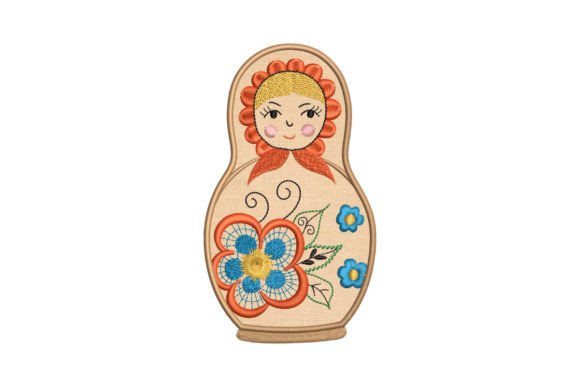
When I first opened the digital file for the Nesting Doll embroidery design, I immediately felt the pull of folklore charm. This isn’t simply a cute character—it’s a machine embroidery design that blends appliqué with delicate stitching to create a symbol of beauty, kindness, friendliness, hospitality, and mercy. As an embroidery designer who builds seasonal product collections for holiday shoppers, I knew within minutes that this design could anchor multiple product lines. The appliqué element adds a tactile, premium feel that sets it apart from standard flat embroidery, and the emotional tone is both nostalgic and universally heartwarming.
First Impressions: The Emotional Pull of a Folklore Icon
The Nesting Doll strikes a rare balance between playful and elegant. From a designer’s perspective, the decorative style reads as cozy yet refined, which makes it incredibly versatile for holiday embroidery. The soft, rounded shapes and folk-inspired details create a mood that feels festive without being tied to a single celebration—this design works beautifully for Christmas, winter holidays, New Year, and even year-round gifting for anyone who loves Slavic-inspired decor. The appliqué element adds dimension, and the stitch work around the face and costume details brings the character to life. I immediately pictured a finished product that would stop a craft fair browser in their tracks or draw clicks on a small shop product listing.
Seasonal Storytelling: How Nesting Doll Enhances Holiday Product Lines
When I plan a holiday collection, I look for designs that tell a story and make gift-giving effortless. Nesting Doll carries an inherent message of warmth and welcome, which makes it a natural fit for seasonal embroidery. Here are a few ways I envision using it in real selling situations:
- Gift bundles: Pair a Nesting Doll embroidered kitchen towel with a matching mug or wooden spoon for a cozy, handmade gift set.
- Etsy listings: Create a collection of holiday-themed home decor items—pillow covers, table linens, and tote bags—all featuring this design in different thread colors.
- Craft fair displays: Stitch the design on aprons or canvas tote bags to catch the eye of shoppers looking for unique, small-batch products.
- Limited edition apparel: Offer a holiday sweatshirt with the Nesting Doll on the front and a seasonal greeting on the sleeve; the appliqué detail makes it feel special and premium.
- Family matching items: Use the design on adult and child-sized sweatshirts or pajama sets for a heartfelt, coordinated look during holiday photos.
- Personalized gifts: Add a monogram or name in a matching thread color beside the design, turning a simple tote bag or pillow cover into a personalized gift that feels custom-made.
- Social media previews: A printable mockup featuring the design on a cozy pillow or kitchen towel can boost engagement and signal to followers that the holiday collection is ready.
- Home decor: Stitch Nesting Doll onto a set of cloth napkins, a table runner, or a wall hanging for a rustic, folk-inspired accent that elevates the entire room.
The design’s symbolism of hospitality and kindness translates directly into product value. Buyers shopping for holiday gifts are drawn to items that feel meaningful and crafted with care, and this machine embroidery design delivers exactly that emotional connection.
Practical Application: Where Nesting Doll Shines and Where Care Is Needed
As a professional embroidery designer, I never commit to a design without testing it across a range of substrates. Nesting Doll thrives on stable, medium-weight fabrics that allow the appliqué to lie flat and the stitching to remain crisp. Here are the surfaces I recommend for optimal results:
- Sweatshirt embroidery: French terry or fleece backings hold the appliqué beautifully, but you must use a strong cut-away stabilizer to prevent distortion.
- Tote bag design: Canvas or cotton totes provide a sturdy base, making the design pop. Use a tear-away stabilizer and a sharp needle.
- Kitchen towel embroidery: Smooth cotton or linen towels work well; avoid plush or high-pile towels that can swallow the appliqué edges.
- Pillow cover: A plain cotton or linen cover gives a clean backdrop, and the design doubles as a year-round decorative accent.
- Embroidered patch: Stitch the design on felt or twill backing, then finish with a satin-stitch border for a ready-to-sell patch.
However, there are several situations where you must proceed with caution:
- Small hoop sizes: If the digital embroidery file is intended for a larger hoop, reducing it to fit a 4x4 inch frame may cause the appliqué fabric to bunch or the fine details to become illegible. Always verify the recommended hoop size before purchasing.
- Layered details: The appliqué plus embroidery creates multiple layers; on thin or stretchy garments, this can lead to puckering. Use a fusible stabilizer and test on a scrap first.
- Thick towels: High-pile towels can make the design look sunken. If you must use a towel, press the nap flat with a topping film and choose a design size that allows for clear detail.
- Dark fabric: If the design relies on light thread colors, the contrast may be lost on dark backgrounds. Test thread colors on both light and dark fabric swatches to ensure the face and costume details remain visible.
- Metallic thread: While the folklore style might tempt you to use metallic thread, the extra friction can cause thread breaks or uneven stitching, especially around the appliqué edges. Stick to high-quality polyester or rayon thread for reliable results.
- Stretchy garments: On t-shirts or onesies, the design may warp if not stabilized with a heavy cut-away backing and a basting stitch. Consider placement on a less stretchy area like a pocket or upper chest.
- Curved caps: The rounded shape of a baseball cap can distort the design’s proportions. Unless you have a specialized cap frame and experience, avoid this application.
- Repeated washing: Appliqué edges must be securely stitched; if the satin stitch is too narrow, the fabric may fray. Always check the stitch density and run a few wash tests on a finished product before selling.
The Giftability Factor: Why Nesting Doll Appeals to Holiday Shoppers
During the holiday shopping rush, buyers are overwhelmed with choices. What makes a product stand out is its emotional resonance and perceived value. Nesting Doll checks both boxes. The design evokes a sense of nostalgia and global folk art, which appeals to customers who want gifts that feel heirloom-quality rather than mass-produced. When I plan a seasonal embroidery collection, I always ask: "Would this make a great handmade gift?" The answer here is a resounding yes.
The appliqué element adds a textural richness that reads as expensive and time-intensive, even though the machine embroidery design does the heavy lifting. This perceived value allows small shop owners and Etsy sellers to price their finished products confidently. The design also lends itself to personalization—adding a name or a short message in the same folklore-inspired thread palette turns a simple item into a personalized gift that becomes a keepsake.
From a branding perspective, Nesting Doll can become a signature motif for a shop’s holiday line. It’s distinctive enough to build visual recognition, and the consistent use of folk-inspired colors and appliqué can create a cohesive look across social media, craft fair tables, and packaging. Customers who receive a beautifully stitched kitchen towel or pillow cover with this design are likely to remember the shop and return for future seasonal releases. The design’s message of hospitality and kindness also aligns with the spirit of giving, making it a natural fit for commercial embroidery that sells on emotion.
Designer’s Practical Notes: Testing and Preparation for Commercial Success
Before adding any embroidery file to a product collection, I run a series of tests to ensure the finished product meets my standards. Here’s my step-by-step checklist for the Nesting Doll design:
- Verify stitch density: I stitch out the design on a medium-weight cotton and check for gaps or overly dense areas that might cause thread breaks. The appliqué section should be anchored with a clean running stitch and a smooth satin edge.
- Test thread colors: I always test the recommended thread colors on both light and dark fabric. For this folklore style, warm earthy tones or bright primary colors often work best, but I also experiment with a soft pastel palette for a winter wonderland feel.
- Confirm hoop size: I measure the largest dimension of the design and ensure it fits comfortably in my machine’s hoop without crowding the edges. If the digital embroidery file doesn’t specify the hoop size, I contact the digitizer before purchasing.
- Choose the right stabilizer: For woven fabrics, I use a medium-weight tear-away stabilizer; for knits, I switch to a cut-away. On towels, a water-soluble topping prevents the stitches from sinking into the pile.
- Create realistic mockups: I photograph the stitch-out on a finished product and use it as a printable mockup for social media and Etsy listings. This shows customers exactly what they’ll receive and builds trust.
- Inspect small details after stitching: I look closely at the face, the costume patterns, and the appliqué edge to ensure no thread tails or misaligned stitches. Even a tiny flaw can ruin the premium feel of the handmade gift.
- Plan matching color palettes: I select a set of thread colors that complement the appliqué fabric and create a cohesive look for the entire holiday collection. This makes it easier to offer the design on multiple items without losing brand consistency.
- Confirm commercial licensing: Before selling any finished product bearing the Nesting Doll design, I verify that the embroidery file comes with a commercial embroidery license. Some digital designs are for personal use only, and using them on items for sale without permission is a risk I never take.
I also pay attention to the fabric texture of the appliqué material. A smooth cotton or felt works best for the Nesting Doll’s body, while a contrasting fabric for the scarf or apron can add depth. Pre-wash all appliqué fabrics to prevent shrinkage after the first laundry cycle, and use a light adhesive spray to hold the appliqué piece in place before stitching.
For Etsy sellers and small shop owners, the Nesting Doll design offers a wonderful opportunity to create a line of Accessories that carry a story. Whether you stitch it on a tote bag, a pillow cover, or a piece of clothing, the finished product feels like a piece of wearable art. The design’s versatility as both a holiday embroidery piece and a year-round folk-inspired motif means you can stock it for multiple seasons without worrying about it going out of style.
In my experience, the best seasonal embroidery designs are those that evoke a feeling and stand up to real-world use. Nesting Doll passes both tests. Its blend of appliqué and embroidery creates a tactile, dimensional look that photographs beautifully for online listings, and its symbolic warmth makes it a meaningful gift. Just remember to test thoroughly, respect the commercial terms, and let the design’s charm speak for itself. With proper preparation, this machine embroidery design can become a cornerstone of your holiday product lineup and a beloved item for your customers.